

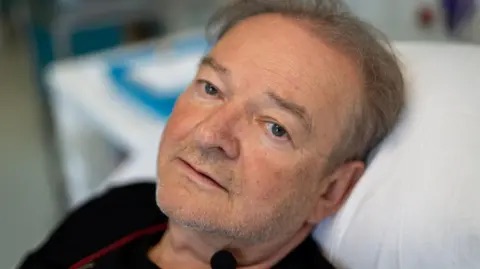
Test of new vaccine for lung cancer: First patient in UK
Januz Raz, a 67-year-old man in the UK, has started testing a new vaccine for lung cancer. This vaccine is based on mRNA technology, as was used in some COVID-19 vaccines. This vaccine instructs the body to recognize and destroy cancer cells, which is likely to reduce the effect on healthy cells.
Test details:
- This is an early stage trial in which the safety of the vaccine will be tested.
- 34 research sites in this trial, including University College London Hospital NHS Foundation Trust, will recruit 130 patients in 7 countries.
- The BNT116 vaccine, manufactured by the German biotech company BioNTech, provides information on the surface of cancer cells, allowing the patient’s immune system to recognize them.
Expectations of the test:
Professor Siov Ming Li, who is the clinical lead of the UK trial, told the BBC that this vaccine could be the beginning of a new era in cancer treatment.
- They expect this vaccine to work in tandem with existing standard treatment – immunotherapy and chemotherapy -, and provide an additional immune boost.
Raiz’s approach:
Januz Raz, who is an artificial intelligence expert, said they are open to trying new things and hope this vaccine will provide protection against cancer cells.
Other information:
- NHS England’s national cancer director, Dame Kelly Palmer, said such vaccines could be “revolutionary” and help people vaccinate against their cancer.
- Other UK hospitals that are involved in this trial are:
- Cambridge University Hospitals NHS Foundation Trust,
- Velindra University NHS Trust,
- The Clutterbridge Cancer Centre NHS Foundation Trust,
- Guy’s and St Thomas’ NHS Foundation Trust, Newcastle upon Tyne Hospital NHS Foundation Trust.
Symptoms of lung cancer:
- Lung cancer is the most prominent in the world in terms of mortality.
- There are no obvious symptoms in the early stages, but there are some symptoms worth noting:
A cough that doesn’t go away even after a few weeks.
A long cough that gets worse.
- Recurring chest infections.
- Cough of blood.
This trial could show a new direction in cancer treatment and benefit millions of people in the future.
 95TechGuru