

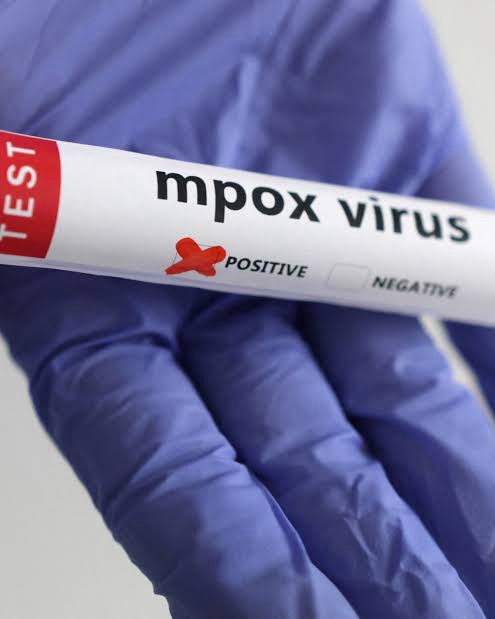
Thailand has confirmed the first case of a new and deadly strain of monkeypox, called Clade 1b, in Asia. The case was found in a 66-year-old patient who had come to Thailand from Africa. Thailand’s Department of Disease Control has confirmed that the patient has been found to have a monkeypox clade 1b variant after lab testing.
The patient had arrived in Bangkok on 14 August and was hospitalized with symptoms of monkeypox. The department said that 43 people who came in contact with the patient are being monitored and have not shown any symptoms so far, but surveillance will continue for 21 days.
Following the confirmation of this new variant, the World Health Organization (WHO) has declared it a global public health emergency and urged vaccine manufacturers to accelerate the production of vaccines. Thailand’s Department of Disease Control said the WHO would be informed of the development.
Travelers arriving in Thailand, who come from 42 “risk countries”, will be required to register and get tested on arrival.
Monkeypox cases and deaths are rising rapidly in Africa, with outbreaks reported in Congo, Burundi, Kenya, Rwanda, and Uganda since July. Sweden also confirmed the first case of this new, more infectious variant in early August, and Argentina has quarantined a cargo ship on suspicion of monkeypox, although it is not clear if this is the new variant.
Monkeypox is caused by a virus that is transmitted from infected animals, but from human to human it is spread through close contact. It causes skin sores such as fever, muscle pain, and large abscesses. While monkeypox has been known for decades, a newer, more lethal and rapidly spreading strain called Clade 1b has increased cases in recent times. According to the WHO, Clade 1b causes death in about 3.6% of cases, and the risk is higher in children.
However, Thongchai Kirtihattyakorn, head of Thailand’s disease control department, said monkeypox is less likely to spread faster than COVID-19 because it requires close contact.
 95TechGuru